




By Karian Hope
( Karian Hope is a pen name used by a contributor to this publication.)
When the clock struck midnight on New Year’s morning, my mother, as she has done since I was a teenager, called to remind me of God. She urged me to cease the “galivanting,” retreat into prayer, and ask a deity to grant all my desires for the new year. I did not pray, not because I still question the existence of a God, but I just felt, at that moment, fulfilled. Maybe it was the cook-up. I still do not know. I did, however, do some reflection.
I first pondered what the future holds for my children. My daughter is now a teenager, which means she has entered that age where the mind begins to question the world for sharper clarity. My son, on the other hand, can now string together a few words to communicate and remains captivated by one Ms. Rachel.
Nevertheless, my children are growing, and to any parent these are momentous markers. They are also stark reminders that as I drift further from my own youth, I get to watch theirs unfold. It is both an exciting and daunting experience.
My thoughts soon became crowded with questions. What would the new year bring them? After wandering for some time through the dark alleyways of the what-ifs and quiet anxieties, I forced myself to find optimism. Quite frankly, it felt easier to be hopeful then.
But since January 2, things beyond our control in near and far off lands have begun to fall apart. The past three months have been nothing short of a geopolitical rollercoaster. Disastrous developments in our region, alongside upheaval in distant lands, continue to test the fortitude of millions and cloak the globe in a cloud of uncertainty.
Optimism begins to drift and I now find myself worrying more not only about my children, but about my all my loved ones, my countrymen, and those living in distant places where fear and hopelessness reign.
The world feels unstable again. Yet here in Guyana there remains a curious sense of calm. It is business as usual. It is not my intention to cause alarm, but we seem to be focusing on the wrong things, or perhaps, many of us do not live in the know. This is ironic, since we live in the “Age of Information”.
But the age of information has also become an age of narrative management. What people see, what they read, and even what they believe to be popular opinion can be carefully shaped.
Recently, this publication carried an interesting exposé about the apparent use of bots in the comment sections and across the Facebook pages associated with Guyana’s President, Dr. Irfaan Ali.
If the intention is simply to raise awareness of all that is being done by the government, then this author could perhaps be persuaded. Good work deserves to be highlighted.
If the project is meant to highlight the popularity of the government, then that is a failed project. It is well known that the true assessment of a government’s popularity can only be had at the polls. The PPP/C government has garnered 55% of the votes at the last election. It is that popular.
But if the intent is to engineer an image of overwhelming support for the current regime and serve as a distraction, then we should all be concerned about what such manufactured noise is preventing us from seeing or feeling.
Most importantly, are the implication of such fabrications keeping Guyanese’ attention focused on local political theatre rather than on the larger external elements that are shaping our world? Our leaders — all of our leaders — should be directing our attention to the matters that require it most and to help prepare us for the possible challenges that lie ahead.
In moments that demand clarity, leadership has grown quiet. Statements arrive neatly printed on paper when what is needed is a face, a voice, and a sense of resolve. Instead, public discourse is limited to trivial crosstalk about who governs better, who is unworthy of leadership, a smackdown between two Guyanese TikTokers in the streets of New York and the increase of Lesbians and Bisexuals in places of worship. Meanwhile, the world beyond this carefully manufactured bubble continues to burn.
Even without missiles flying overhead, we are already navigating significant economic pressures. The ongoing Russia–Ukraine war has triggered global supply-chain disruptions resulting in the rise of cost of living in and out of Guyana. The Guyana Government has repeatedly said that we are not isolated from these external shocks. To its credit, however, the Government of Guyana has implemented several financial policy interventions aimed at cushioning these pressures, including the removal of excise taxes on fuel and the issuance of cash grants to households.
But there is now a new layer of uncertainty being added by the escalating war in the Middle East and we are yet to witness any sort of computations, predictions or concrete actions from the government, one whose leaders are evidently not camera shy.
A simple “Tea on the Terrace” show could be used to facilitate deeper conversation about what these global developments could mean for us, and indeed for the future of a government that is seeking to “build out” a country largely on imported materials, foreign expertise, and support from external regional and international partners.
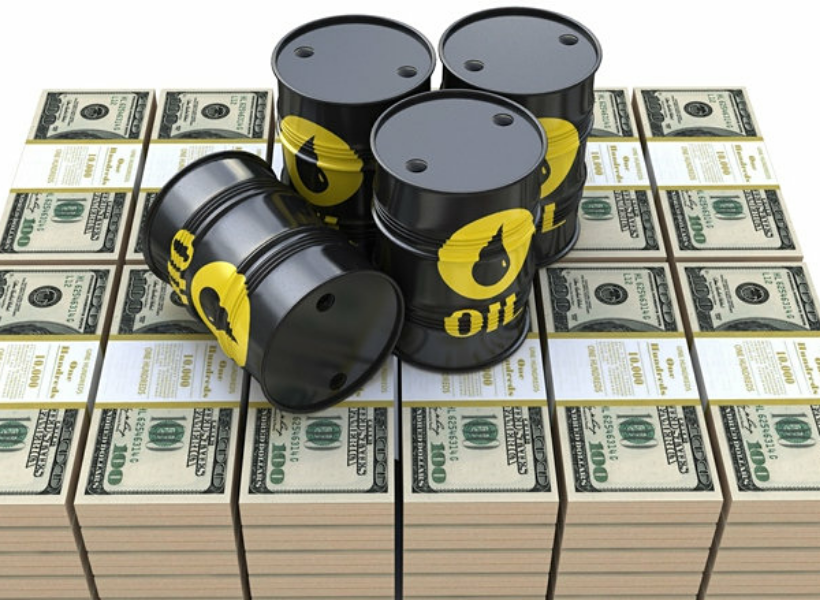
Missiles and drones flying thousands of miles away may seem distant, but distance is something of an illusion in modern geopolitics. Consider the Strait of Hormuz, through which a significant portion of the world’s oil supply flows. The mere threat of disruption there is not simply a military concern. It is an economic one.
When oil prices spike, shipping costs rise. When shipping costs rise, goods become more expensive. And when goods become more expensive, families everywhere, including here in Guyana, feel it. They feel it in the extra dollars required at the supermarket.
Layered on top of these global pressures are the events that unfolded in our own backyard, when the U.S. removed Venezuelan President Nicolás Maduro, a leader widely viewed here in Guyana as hostile to our territorial integrity. His dramatic late-night ousting, though still controversial, was interpreted here in Guyana by some quarters as a crucial moment in safeguarding our patrimony. To many, it was necessary, and some Guyanese believe we owe the United States a measure of gratitude for extracting the former dictator President. Unfortunately, Washington also knows that. So do its allies and its rivals. And as it wages war in the Middle East, one cannot help but wonder: could it come knocking for its pound of flesh anytime soon? And what might that ultimately cost us?
As a father, I have now incorporated thinkings of global stability when thinking about my children’s future.
When the year first broke, my thoughts were simpler. I was thinking about school reports and birthday cakes. Now oil markets, shifting alliances, regional sovereignty, and economic shocks own my nights.
What are our leaders thinking about? What keeps you up at nights?