
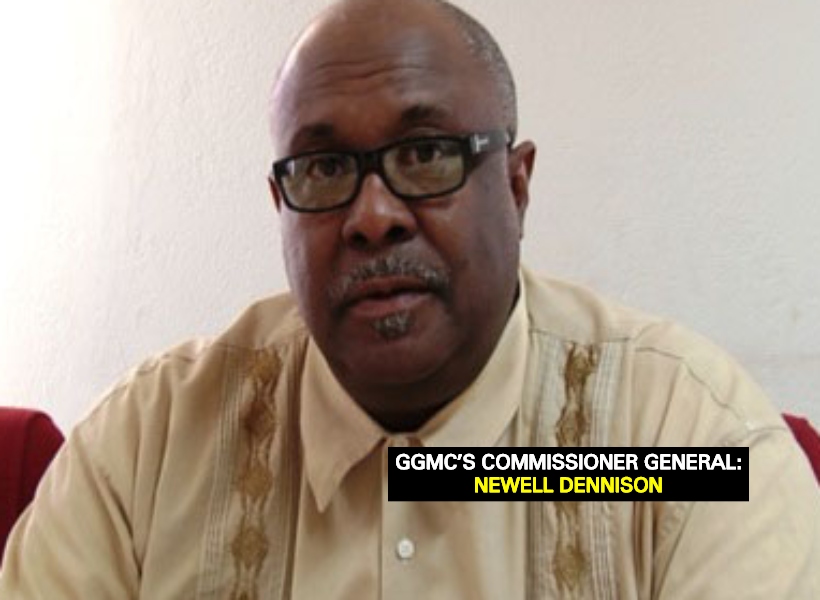




“I have no comment on the matter,” GGMC Commissioner Newell Dennison told the Guyana Standard, following a standoff between Members of Parliament in Region 9 and GGMC officials. The Commissioner’s refusal to elaborate follows a brief and admission, made the day earlier shortly before the communication link was severed. During that initial exchange, Dennison confirmed he had spoken with the APNU delegation, stating he was “very clear” with what was required for them to proceed, and noting his understanding that the MPs had already said all they had to say.
Official silence from the Guyana Geology and Mines Commission (GGMC) comes as APNU MPs Terrence Campbell, Saiku Andrews, Sherod Duncan, and Sharma Solomon claim they were forcibly blocked from entering the Marudi settlement. The delegation, which is currently conducting nationwide “street parliaments” to discuss the national budget and cost of living, reported being met by locked gates and GGMC officials at the Bush Mouth Sub Station. The MPs rejected the Commissioner’s reported assertion that permission was required for entry, arguing that no law exists allowing the GGMC to block elected officials from meeting with their constituents, including local farmers and miners.
During the confrontation, MP Terrence Campbell leveled explosive allegations regarding the management of Marudi Mountain. Campbell claimed that mining rights have been seized by specific Guyanese interests in collusion with foreign elements, alleging that approximately $5 million USD in gold is being extracted and smuggled out of the area daily, often via helicopter. He further alleged that the area has become a haven for Brazilian criminals who are “enjoying the best of Guyana” behind the barricades. Campbell described the situation as a “rape on the Guyanese economy” that the administration is allegedly attempting to shield from legislative scrutiny.
The delegation also highlighted the humanitarian and economic crisis in the “far-flung” region, where basic goods like mineral water reportedly cost $500 per can. MP Saiku Andrews noted that the blockade prevents the opposition from properly assessing reports of malnutrition and standard of living issues affecting the indigenous community. To illustrate the economic toll, the MPs pointed to a Guyanese fuel truck driver who had been stranded at the barricade for three days, unable to conduct business because of the restrictions. The opposition team has since vowed to return, stating they will not be intimidated by what they describe as “bars to democracy,” and indicated that legal action may be the next step to affirm the rights of the legislative arm to access all parts of the country.
As the tour continued, MP Saiku Andrews, serving as the Shadow Minister for Infrastructure, released a statement regarding a site visit to the Mabura Road project, identifying “serious safety deficiencies” that require urgent intervention. Andrews highlighted a total absence of adequate lighting along sections of the corridor, creating dangerous conditions for road users at night. He further noted a lack of proper signage across multiple sections currently under construction, which forces drivers into unsafe maneuvers such as reversing or diverting without guidance. Andrews argued that these gaps represent a failure to enforce basic traffic management and safety standards essential for a major public infrastructure project.
The statement also challenged the transparency of the project’s progress, noting that while some reports suggest the road is 65% complete, technical observations suggest significant inconsistencies. Andrews pointed out that some paved sections represent only one side of the road, which he argued misleads the public on the actual state of completion. With the rainy season approaching and increased movement expected into the hinterland for mining and logging, Andrews warned that these shortcomings will pose even greater risks to the public. He called on the relevant authorities to urgently implement proper lighting, clear signage, and more transparent reporting to ensure the critical national artery provides safety and accountability for all users.