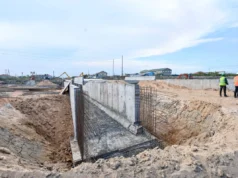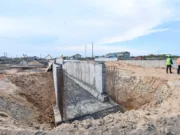



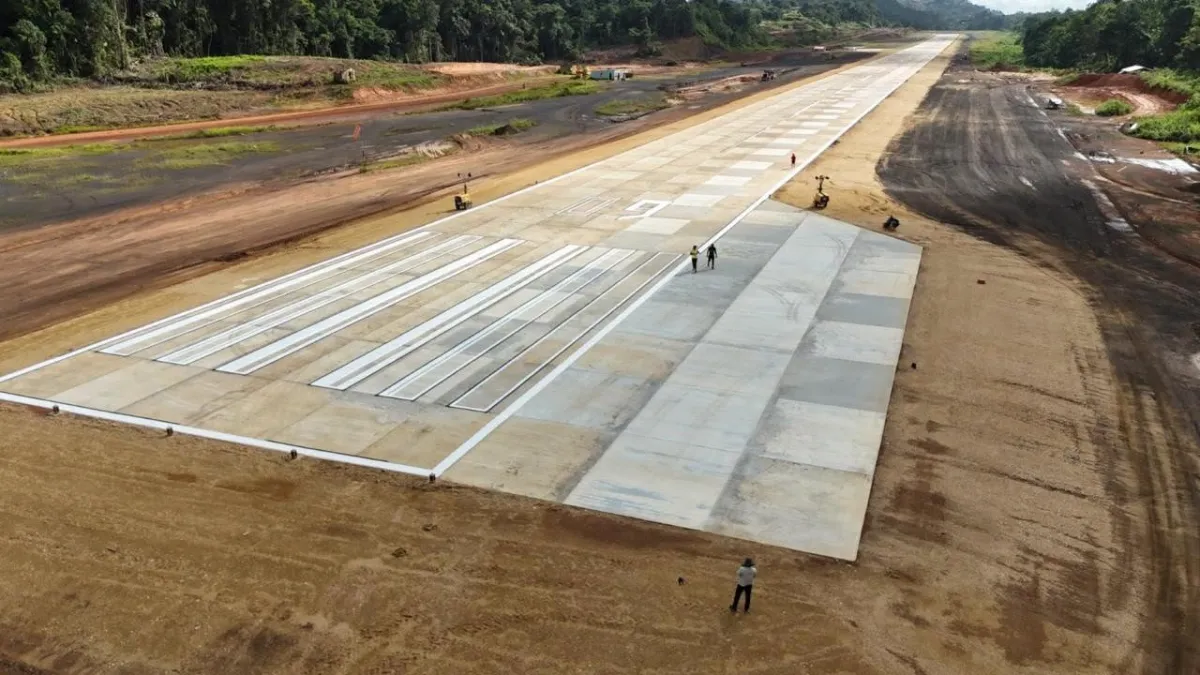
The 2026 budget allocated $4 billion to rehabilitate priority airstrips and construct new facilities across Guyana. The work will target heavily used routes serving key population centres, agricultural hubs, and commercial areas.
Director General of the Ministry of Public Utilities and Aviation Alfonso De Armas explained that the improvements will allow larger aircraft to operate in these areas, creating opportunities for more affordable air travel.
“Currently, airlines can only fly in smaller aircraft, but once the airstrips are rehabilitated, they can bring in 19-seaters and charge a reduced cost per seat,” De Armas said during a recent episode of the Starting Point podcast.

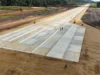
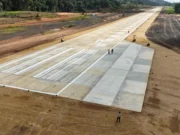
Several communities have already begun benefitting from the investments, including Paramakatoi in Region Eight and Aishalton in Region Nine, where previously challenging landing conditions have been replaced with reinforced concrete runways.
The newly upgraded Karasabai airstrip, also in Region Nine, is another significant development, providing improved access for more than 1,200 residents.
Previously, the community relied on an earthen runway that became difficult to use during rainfall and at night, often resulting in flight cancellations and delays to emergency medical evacuations.
In Region One, the completed rehabilitation of the Matthews Ridge airstrip has delivered a 4,200-foot reinforced concrete runway, modern lighting and supporting infrastructure to accommodate larger aircraft and facilitate emergency and medical evacuation operations.

These improvements are particularly important for hinterland residents who depend on air transportation to access healthcare, education and other essential services.
More reliable connections also support the movement of goods and agricultural produce, while reducing the logistical challenges associated with living in remote communities.
The director noted that the improved infrastructure is also expected to unlock greater economic opportunities, particularly in tourism, as several hinterland villages have already invested in guest houses, boats and other visitor services. (Department of Public Information)