






Guyana’s agriculture sector has undergone significant transformation over the past six years, emerging as a modern, diversified and increasingly technology driven industry while strengthening the country’s position as a leading force in Caribbean food security.
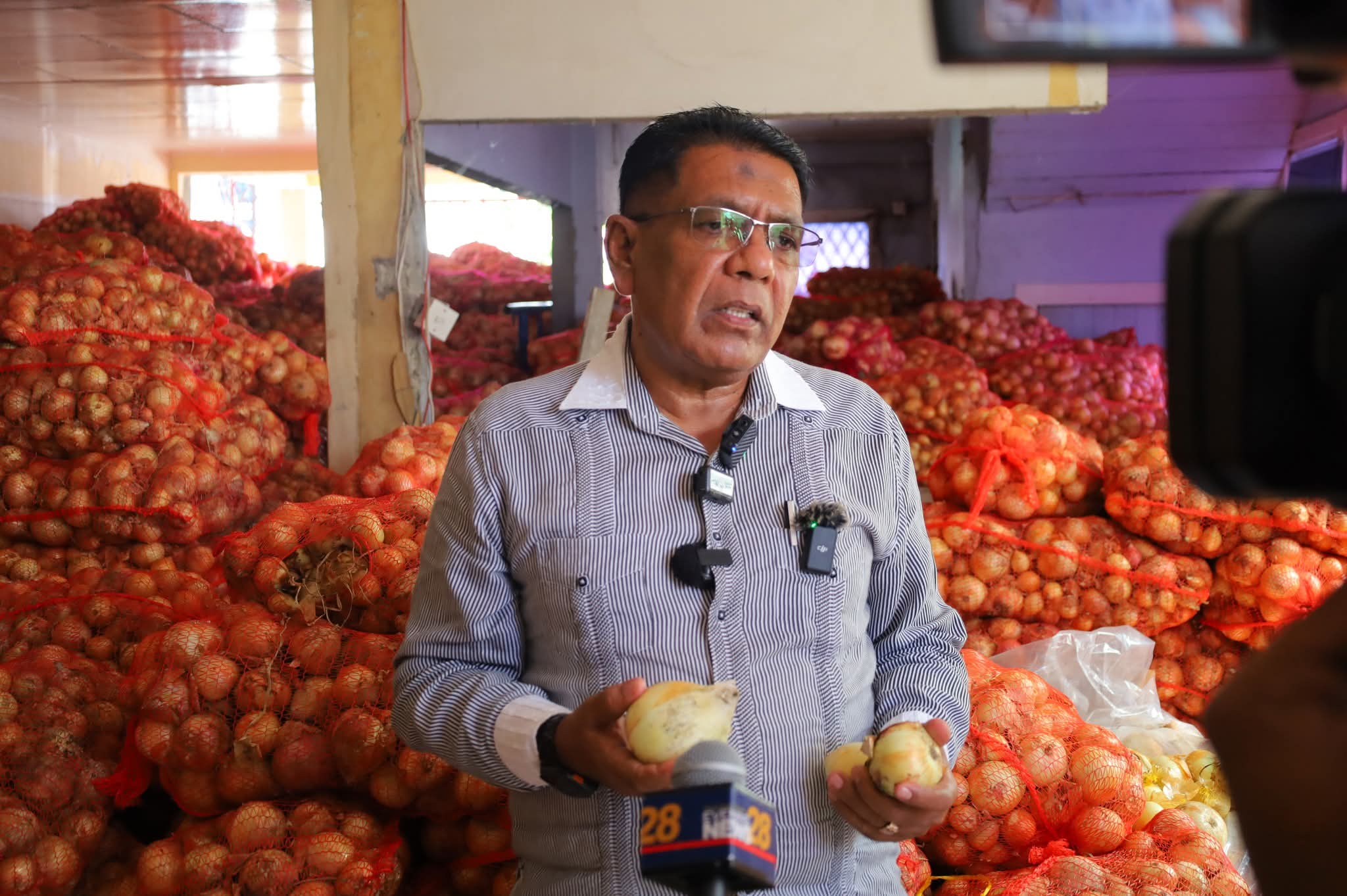
During an interview conducted by the Department of Public Information (DPI) with Minister of Agriculture Zulfikar Mustapha last Tuesday, the minister outlined the substantial gains made since 2020.
He highlighted increased production, greater investment, expanded agro processing and the introduction of new technologies and production systems.

“I know for a fact also that we have seen massive transformation taking place in the agriculture sector,” Minister Mustapha said.
According to the minister, Guyana has transitioned from a predominantly traditional agricultural economy towards one focused on diversification, technology, value addition and food security.
This transformation has also strengthened the country’s leadership within CARICOM, particularly in efforts to reduce the region’s food import bill.

Mustapha recalled that when President Dr Mohamed Irfaan Ali assumed responsibility as lead Head of Government for agriculture and food security within CARICOM, Guyana advanced a strategy aimed at reducing the region’s food import bill by 25 per cent by 2030.
“Guyana has emerged as the leading CARICOM advancing agri food system and at the same time a leading voice in prioritizing food security,” the minister said.
He noted that Guyana is now chairing the CARICOM ministerial task force on agriculture and food security, with countries across the region increasingly seeking Guyana’s technical expertise and assistance as they strengthen domestic food production.
The transformation has been supported by a substantial increase in public investment. The agriculture budget rose from $18.4 billion in 2020 to $113.2 billion in 2026, representing an increase of approximately 515 per cent.

That investment has supported growth across both traditional and emerging areas.
Rice production increased from approximately 500,000 tonnes in 2020 to 825,000 tonnes last year, while production across 15 priority commodities rose from 1.41 million tonnes to 1.81 million tonnes between 2020 and 2025.

Corn production increased by more than 330 per cent, while coconut production grew by 235 per cent. Guyana has also expanded into soybean cultivation, with efforts underway to produce sufficient protein locally for the animal feed industry.
The livestock industry recorded 12.5 per cent growth between 2020 and 2025, with poultry production rising from 43,736 tonnes to 91,382 tonnes. Beef, pork and egg production also recorded notable increases.
Thirteen agro processing facilities have been established across the country, including in hinterland communities, allowing farmers to extend the shelf life of their products, access new markets and earn greater returns.
“We have been a primary producer for too long and as a country moving forward, modernizing the agriculture sector, we want to ensure that our farmers and agro processors have the facilities so that they can add value to their products,” Minister Mustapha said.

The sector is also benefiting from increased youth participation. Approximately 1,200 shade houses have been established through government programmes over the past five years, while hydroponic facilities in Regions Two, Five and Ten are creating opportunities for young entrepreneurs to produce and market high value crops.
Hinterland agriculture is receiving renewed attention, with 300 acres of onions expected to be cultivated in Region Nine this year. Government is also supporting increased production of dragon fruit, watermelon, cassava and other crops, while investments in storage and processing are being advanced to strengthen market access.
Minister Mustapha said Guyana’s agricultural expansion is ultimately about building a resilient food system capable of serving both domestic and regional markets.

“Food security in one word,” he said, identifying it as the ministry’s foremost agricultural priority for the next four years.
He added that the country’s progress provides a strong foundation for reducing dependence on imports while positioning Guyana as a reliable supplier of food to the Caribbean.
“We are seeing the light at the end of the tunnel and I am very optimistic as Minister of Agriculture that we will reduce the food import bill of the country, reduce the food import bill of CARICOM and at the same time increase production,” he said.
Source: Department of Public Information