



Residents of the Upper Mazaruni district are expected to benefit from lower food costs as the government moves to establish a large-scale poultry operation in Kamarang, Region Seven.
President Dr Mohamed Irfaan Ali made the announcement during a community engagement on Sunday, describing the initiative as a major investment aimed at strengthening food security and reducing the cost of living for residents in hinterland communities.

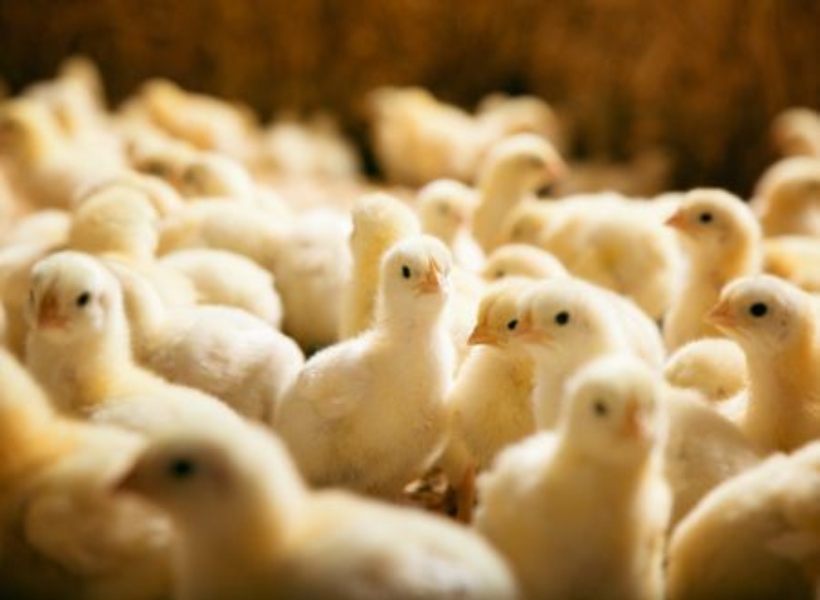
The project will see the Ministry of Agriculture constructing a tunnel house capable of producing approximately 20,000 chickens every two months.
President Ali said the intervention is designed to address the high cost of key food items, particularly chicken and eggs, which are among the most expensive commodities for residents in the region.

According to the head of state, the poultry products will be sold within the Upper Mazaruni area at cost, ensuring residents benefit directly from the initiative.
To support the project during its initial phase, a contingent from the Guyana Defence Force’s Agriculture Corps will be deployed to assist with operations and accelerate implementation.
In addition to the poultry facility, the government will invest in cold storage infrastructure to support food distribution and preservation across the district.
President Ali announced plans for three 20-foot solar-powered containerised blast freezers to be installed in the area, creating the storage capacity needed to sustain the poultry programme and improve food availability.
The combined investment in the tunnel house and cold storage facilities is expected to cost some $300 million.
“This investment will enhance the food security of the Upper Mazaruni area and ensure that there are no critical shortages,” President Ali said.
The initiative forms part of a broader strategy to address cost-of-living challenges in hinterland communities. The government is also examining measures to improve the supply of fuel and cooking gas while reducing transportation costs that contribute to higher prices for goods and services.
President Ali encouraged residents to increase local food production, noting that long-term food security requires both government support and community participation.
“We have to produce more of the food we eat here in the villages and throughout the Upper Mazaruni,” he told residents. (Department of Public Information)