





Dear Editor,
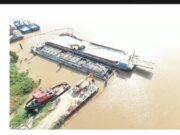
The tragic loss of lives in the MV Barima disaster has shaken our nation. While investigations will determine the immediate causes of the vessel’s capsizing, there is another issue that cannot be ignored. The glaring failure of Guyana’s national disaster preparedness and emergency response system. That failure falls squarely within the remit of Prime Minister Mark Phillips.
As Prime Minister, Mr. Phillips bears overall responsibility for national disaster preparedness and emergency response. His office is entrusted with ensuring that Guyana has a functioning, coordinated, and tested system capable of responding swiftly when lives are at risk. The events following the MV Barima tragedy exposed a system that was anything but prepared.
The first hour after any maritime disaster is universally recognised as the “golden hour.” That is the critical period during which rapid deployment of trained personnel and properly equipped assets offers the greatest chance of saving lives. Yet the nation witnessed no immediate, coordinated deployment of search and rescue resources that reflected a country prepared for such an emergency.
This raises serious questions about whether the National Search and Rescue Committee has been functioning as intended. As Chair of that mechanism, the Prime Minister has a responsibility to ensure that all relevant agencies possess the personnel, equipment, communication systems, operational plans, and training necessary to respond effectively to maritime, land, and aeronautical emergencies.
The deficiencies appear to extend far beyond this single incident. Numerous national disaster management policies, plans, and standard operating procedures have remained outdated, unimplemented, or untested for years. These include the Disaster Risk Management Policy, the National Integrated Disaster Risk Management Plan, the Multi-Hazard Disaster Preparedness and Response Plan, the Maritime and Aeronautical Search and Rescue Plans, the National Emergency Operations Centre Standard Operating Procedures, and the Regional Multi-Hazard Preparedness and Response Plans.
Equally troubling are reports that the National Disaster Risk Reduction Platform has not been convened since the Prime Minister assumed office, that the National Emergency Operations Centre has not been fully operationalised with trained personnel, and that no comprehensive national or regional disaster response exercises have been conducted to test Guyana’s preparedness.
Disaster preparedness cannot exist merely on paper. Plans that are not updated, personnel who are not trained, institutions that do not meet, and emergency procedures that are never tested create a false sense of security. When disaster strikes, those failures become measured not in reports but in human lives.
Leadership carries both privilege and responsibility. Public officials readily accept praise when projects succeed and ribbons are cut. By the same principle, they must also accept responsibility when systems under their stewardship fail with tragic consequences.
The Prime Minister owes the nation clear and honest answers. Why were these critical plans allowed to languish? Why were essential disaster management institutions not fully operational? Why was Guyana seemingly unprepared to mount the rapid, coordinated response that this tragedy demanded?
These questions deserve answers before an independent Commission of Inquiry. More importantly, accountability demands that those entrusted with safeguarding the lives of citizens accept responsibility when those systems fail.
For these reasons, Prime Minister Mark Phillips should resign and submit himself to the scrutiny of an independent investigation. Accountability is not about politics. It is about ensuring that such a tragedy never occurs again because of preventable institutional failures.
The families who lost loved ones deserve nothing less, and the people of Guyana deserve a disaster management system worthy of their trust.
Yours faithfully,
Ganesh Mahipaul, MP
Member of Parliament