






By Kemol King
More than 45 hours without electricity. That is what residents of East Berbice-Corentyne have endured, according to President Irfaan Ali, who described the prolonged outage as wholly unacceptable in a Facebook post yesterday.
He has apologised and promised a thorough investigation. But apologies and investigations are not enough. Guyanese have endured unreliable electricity for decades, and the consequences for those who suffer through these failures, and those responsible for fixing them, demand greater attention.
Today, the outages are occurring at a frequency and duration that understandably has angered the country. All the while, the people are bombarded with news about the fastest growing economy in the world, the people’s great economic fortune, massive investments in a Gas-to-Energy project, and associated infrastructure.
Blackouts disrupt nearly every aspect of daily life. They rob workers of productive hours. They force businesses to spend heavily on backup power. They interrupt students’ education. They leave families struggling in sweltering heat. For some, prolonged outages mean lost income and damaged equipment.
Yet consumers are repeatedly left to absorb these costs without compensation.
In some countries, there are precedents that electricity providers have obligations to consumers beyond eventually restoring service. In Great Britain, customers can receive compensation for qualifying prolonged power outages, with additional payments as interruptions continue.
Guyana should consider a similar mechanism. Consumers who endure prolonged outages should receive automatic credits against their electricity bills, with greater compensation for repeated or exceptionally lengthy disruptions. Businesses should also have access to a reasonable process for claiming eligible losses.
There is already a local precedent. Utility companies, both publicly and privately owned, have granted credits to consumers for breaches of service standards and undelivered services, according to the Public Utilities Commission (PUC), after complaints were made. In the case of repeated and widespread outages, Guyanese consumers deserve automatic and system-wide compensation, rather than relying on them to make complaints or file lawsuits.
The second issue is accountability.
In Ecuador, Energy Minister Andrea Arrobo was removed during an electricity crisis in 2024 and subsequently censured by the National Assembly for failing to discharge her responsibilities. Such precedents demonstrate that responsibility for electricity failures can extend to the highest levels of government.
There are other foreign cases of ministers and/or chief executive officers being disciplined or having to resign their positions due to similar issues.
In Guyana, however, there is a general sense that leaders in government, especially political leaders, tend not to face consequences for tragedies and/or their inability to solve problems. And this applies not only to blackouts.
Accountability must not become an exercise in sacrificing lower-level employees to protect those higher up. The country has already seen how responsibility for a national tragedy can become concentrated on operational personnel, as with the MV Barima disaster, for which the captain and two crew members were charged with murder and remanded to prison.
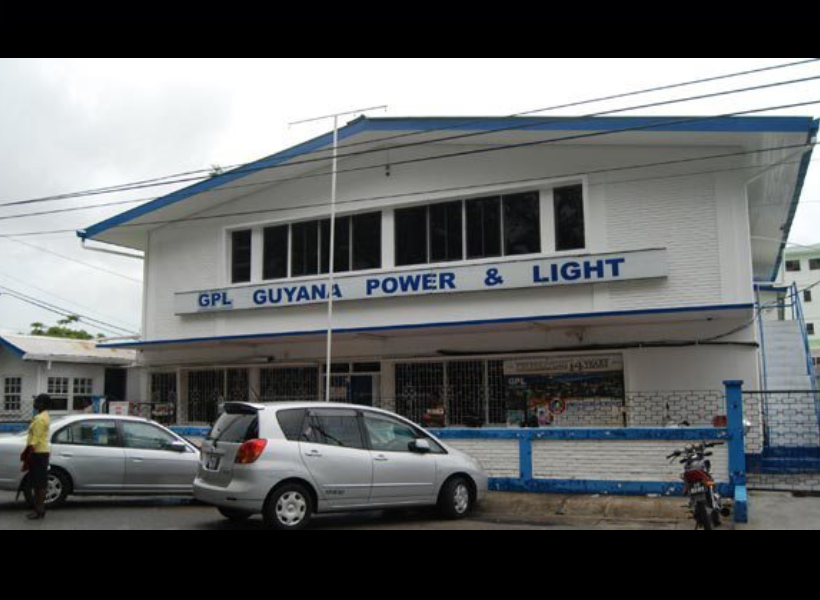
The same principle applies to GPL. Where systemic failures are so persistent, investigations must examine the decisions of senior executives, boards and ministers, not merely the actions of technicians and middle managers. Accountability must reach those with the authority and responsibility to address the underlying problems.
Meanwhile, the government’s long-delayed Gas-to-Energy project and promised infrastructure improvements offer no immediate relief to consumers suffering through today’s outages.
President Ali’s promised investigation must therefore produce findings that are public, with responsibility established wherever the evidence leads.
Guyanese deserve both compensation for prolonged electricity failures and accountability proportionate to the responsibilities of those responsible for preventing them.