



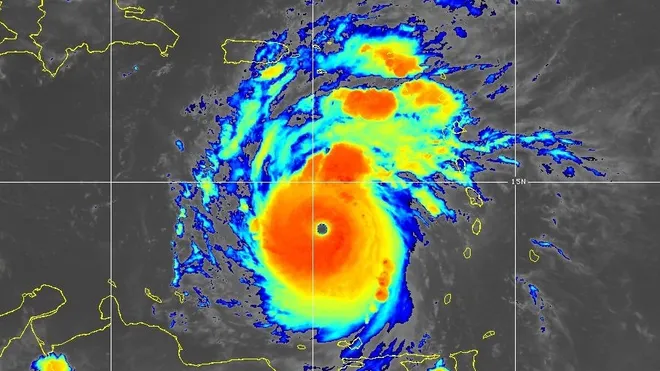
The trail of destruction left Hurricane Beryl throughout several Caribbean territories has underscored once again, the urgent need for climate adaptation, particularly in terms of resilient infrastructure. This was recently highlighted by Wazim Mowla, Associate Director and Fellow of the Caribbean Initiative at the Atlantic Council’s Adrienne Arsht Latin America Center.
As the earliest recorded Category 5 hurricane in the Atlantic, last week, Beryl wreaked havoc on infrastructure and caused widespread power outages across several Caribbean nations, serving as a stark reminder of the region’s vulnerability to extreme weather events.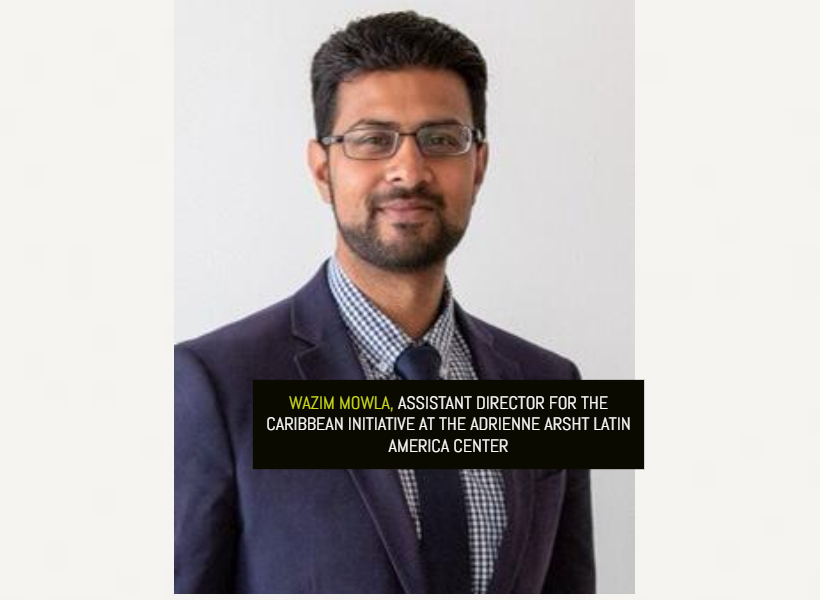
Mowla emphasized that while mitigating climate change through methods like reducing carbon emissions is important, it is not enough on its own. The Caribbean must prioritize climate adaptation to effectively withstand hurricanes and other inevitable impacts of climate change.
According to Mowla, “Caribbean countries must focus on adaptation as the primary strategy to counteract the severe effects of climate change.” He stressed that significant investment in climate adaptation is necessary, yet unaffordable for many Caribbean nations, thereby requiring international support and private financing.
The scale of the challenge is enormous. Mowla pointed out that the Caribbean region needs more than US$100 billion to meet its climate adaptation goals. However, less than US$1 billion dollars has been approved from various climate funds. The financial strain is exacerbated by the fact that many Caribbean countries are classified as middle- and high-income economies by the World Bank, which disqualifies them from concessional financing and forces them to rely on high-interest loans from multilateral institutions.
In the wake of Hurricane Beryl, countries like Saint Lucia and Saint Vincent and the Grenadines are already facing significant damage, with power outages and destroyed homes. Such damage Mowla said, highlight the region’s acute need for robust infrastructure that can withstand high wind speeds and storm surges. Retrofitting infrastructure to be resilient against such powerful storms involves substantial upfront costs and yields little immediate return on investment, making it unattractive to private investors, according to Mowla.
Moreover, Mowla identified the upcoming United Nations Climate Change Conference of the Parties (COP29), set to take place in Baku, Azerbaijan, as a pivotal opportunity to galvanize support for climate adaptation in the Caribbean. Dubbed the “finance COP,” the conference aims to unite governments and the private sector in prioritizing climate adaptation, potentially unlocking new financing and creating attractive investment opportunities for global investors.
“COP29 could be the ideal forum to bring together public and private sectors to advance climate adaptation projects,” Mowla suggested. He advocated for regulatory reforms and incentives to attract private sector participation in climate adaptation projects, such as subsidies, tax exemptions, and exclusive benefits for companies involved in these initiatives.
Additionally, access to low-cost finance and capital is crucial for facilitating private investment in long-term developments, which can include everything from improved drainage systems to decentralized energy grids that limit widespread blackouts.
Mowla was keen to note that the impact of climate change on the Caribbean is profound, with 70% of the region’s population living or working on the coast. This makes them particularly susceptible to storm surges, which disrupt businesses, lifestyles, and government operations.
To combat these challenges, Mowla advocated for new climate adaptation projects that include retrofitting existing infrastructure, building new sea walls, and moving water and energy infrastructure underground to protect against storm damage. However, realizing these projects requires a concerted effort from both the public and private sectors.
The private sector’s role in climate adaptation is crucial, as businesses have the technology and capacity to implement these projects. Mowla emphasized the need for Caribbean governments to create a favorable investment climate, including regulatory flexibility and technical assistance from development institutions. “Governments should consider expanding the size of private sector delegations to COP29 to ensure their active participation in the discussions and agreements,” he advised.
By fostering public-private partnerships and demonstrating the viability of investing in climate adaptation projects, Caribbean leaders can unlock essential capital and build resilience against future climate impacts. As Mowla concluded, “Building these relationships can show global donors and companies that investing in climate adaptation in the Caribbean is not only viable but also essential for saving lives and securing the region’s future.”