





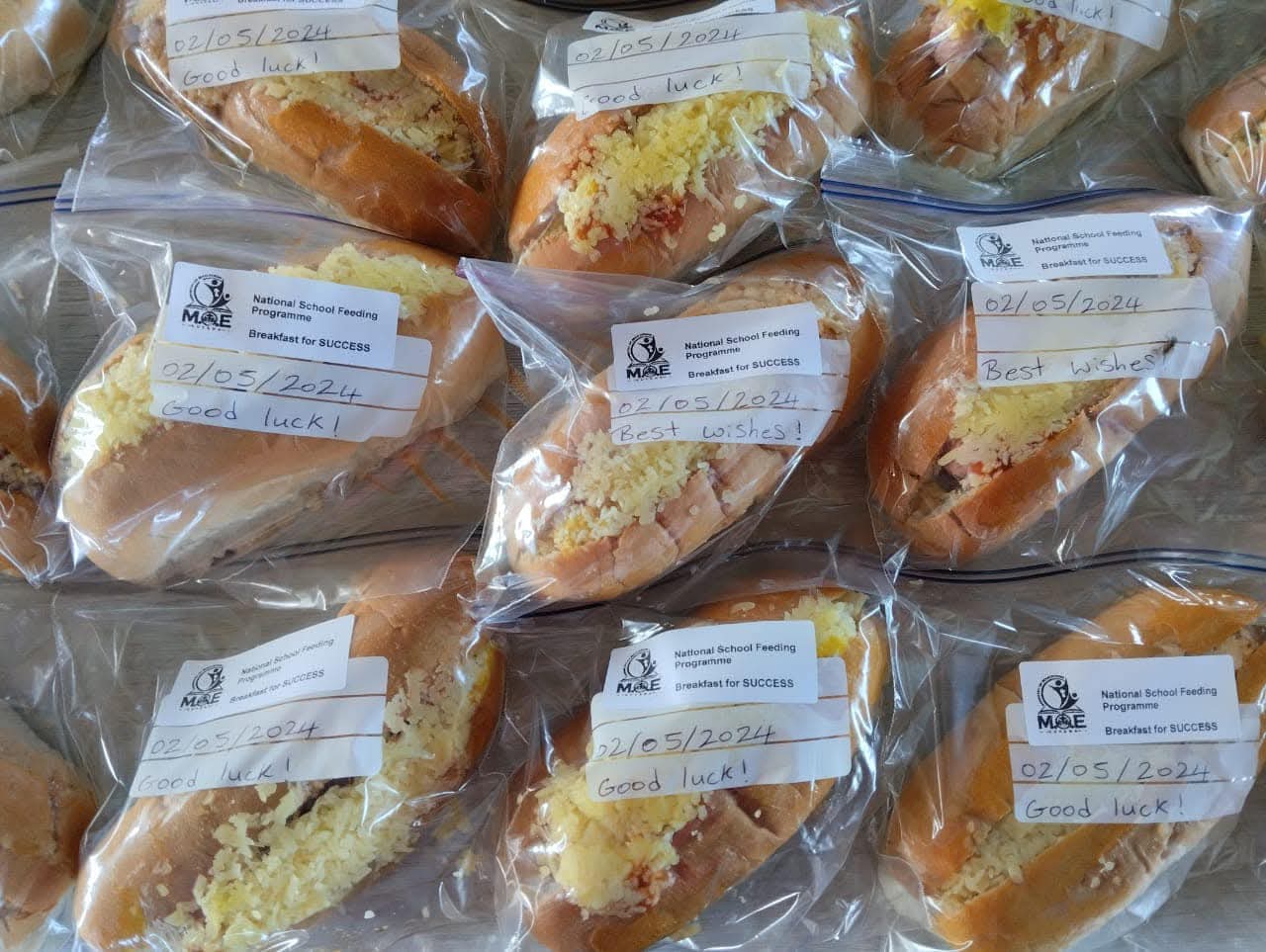
Guyana’s National Breakfast Programme has expanded from 11,000 beneficiaries in 2022 to more than 51,000 students today, according to Coordinator Mahendra Phagwah.
He wrote a letter published on October 10, responding to a previous letter to the editor that raised concerns about the programme’s management and fairness.
The earlier letter, written by Shania Harpaul on September 30, alleged that some East Coast Demerara schools were receiving inadequate and inconsistent meals under the Ministry of Education’s school feeding initiative. Harpaul described cases of children being served nutritionally poor options, or even spoiled food, and called for standardized menus, defined portion sizes, and stronger inspection mechanisms to ensure accountability and value for money.
In his response, Phagwah disputed the characterization of widespread disparities, referring to “isolated cases” rather than systemic realities.
“Every caterer is paid a fixed cost per breakfast inclusive of juice,” he said. “Access to payment is strictly dependent on the submission of a fortnightly Dietary Tracker Sheet, stamped and signed by the Head teacher of the school… No tracker, no payment.”
Phagwah explained that a single, standardized menu was piloted at the programme’s relaunch in 2022, but later had to adapt to take into account local food availability and cultural preferences. Schools now design menus guided by a master list developed with nutritionists and the Carnegie School of Home Economics, ensuring that meals remain nutritious and within the approved cost.
The programme also supports 388 caterers, 95 percent of whom are women, with regular field visits, termly kitchen inspections, and QR codes displayed at schools for parents to submit complaints.
Phagwah concluded by inviting the complainant to list the isolated schools she believes to be affected so they may directly investigate, noting that the Programme welcomes scrutiny.