




Parents in Region One have raised concerns about the conditions at the newly opened Kwebanna Secondary School.
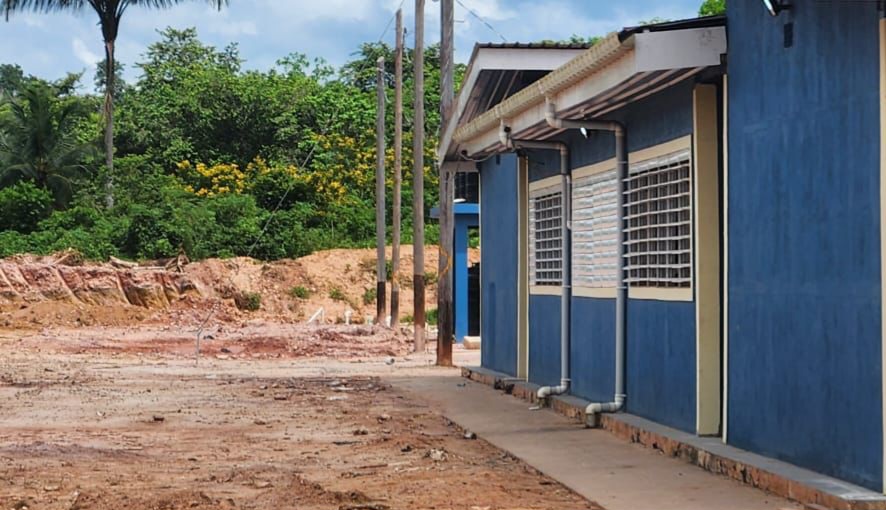
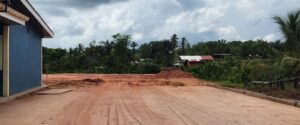
This is according to Opposition Member of Parliament Sherod Duncan, who said parents have reported that construction work is still ongoing while students are occupying the compound.

According to Duncan, parents have also expressed concern that the school remains only partly fenced and does not have what they consider an adequate security presence.
They have reportedly identified deep, exposed drains and muddy, flood-prone areas between buildings as potential safety hazards for students.
Concerns have also been raised about conditions inside the dormitory, including interruptions to the water supply, the absence of dedicated drinking-water facilities and inadequate ventilation.
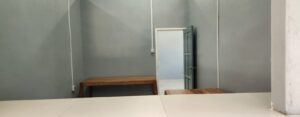
Duncan said parents have reported that there is no dorm father assigned to the facility and that there are too few staff members to adequately supervise and care for more than 100 children.
The limited number of kitchen staff has also reportedly created difficulties in preparing and serving meals on time, while two students allegedly required medical attention after experiencing stomach pains over the weekend.
“These reports require an immediate, independent inspection and a public response from the regional and national education authorities,” Duncan said.
The concerns come against the backdrop of a major public investment in the school.
According to Duncan, six contracts valued at approximately G$2.017 billion were awarded for the project. The school was intended to accommodate more than 600 students, with dormitory space for 250 students and quarters for 25 teachers.
The institution is expected to serve students from communities including Santa Cruz, Warapoka, St Bede’s, Chinese Landing, Kokerite, Kariako, Wallaba and Karaburi.
The development was intended to reduce the need for children from hinterland communities to travel long distances to access secondary education.
Duncan argued that such a significant public investment should result in a facility that is complete, safe, properly staffed and fit for occupancy.
Parents have also reportedly raised concerns about the cost of getting their children home if they decide to remove them from the school.
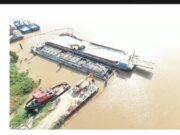
Duncan said parents have explained that the high cost of river transportation and fuel makes it difficult for them to simply take their children home and return them once conditions improve.
In some cases, parents reportedly told him that the Government’s G$20,000 transportation assistance has already been exhausted.
“No parent should be forced to choose between leaving a child in conditions they consider unsafe and meeting travel expenses they can scarcely afford,” Duncan said.
He is calling on the Ministry of Education, the Regional Democratic Council and the relevant engineering, health, fire and water authorities to conduct an immediate inspection of the entire school and dormitory compound.
Duncan is also calling for the findings of any inspection to be made public.
He said security, reliable water, adequate meals, proper dormitory supervision, safe walkways and all other essential facilities must be put in place without delay.
“If the compound has not been officially certified as safe and ready for occupancy, the authorities must arrange and fund the safe return of the affected children until the necessary work is completed,” Duncan said.