






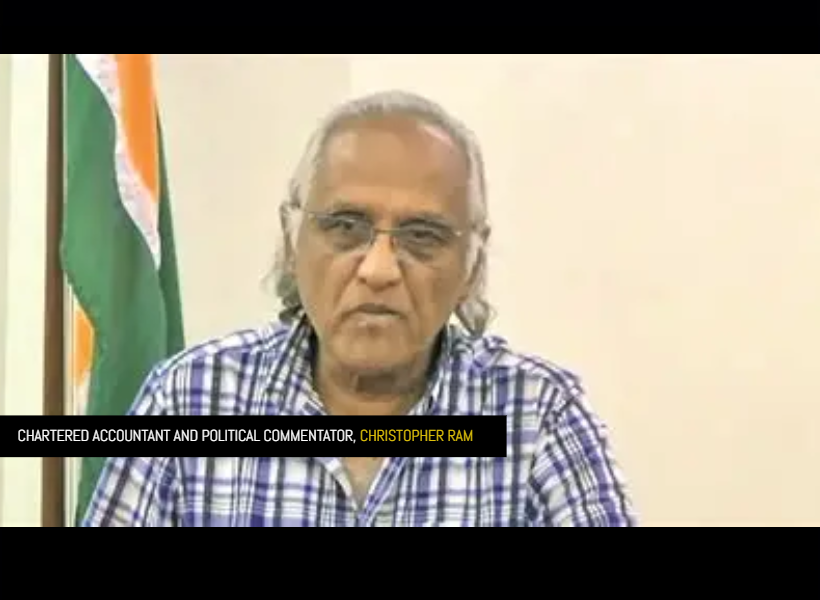
I returned to Guyana yesterday evening after a journey involving nearly twenty hours. Immigration and Customs were a breeze. Everything went well until we reached Friendship on the East Bank.
What followed was among the most chaotic and mismanaged public sector activities imaginable. For the better part of an hour there was little movement of traffic in either direction. Heavy and construction vehicles competed for road space, government vehicles with sirens forced their way through, and there appeared to be no system for keeping traffic moving.
Minister Edghill, you are responsible for road construction and, surely, for managing its consequences. Where are the signs, controlled diversions and arrangements for construction vehicles entering and leaving the roadway? Where are the personnel to ensure that road works do not themselves bring traffic to a standstill? Have these responsibilities been farmed out along with the construction contracts?
The Roads Act, Cap. 51:01, is not concerned merely with constructing roads. It contemplates their supervision and management. Contractors cannot simply be permitted to occupy and interfere with public roads while motorists and the public are left to fend for themselves.
Minister Walrond, the Police cannot be spectators. The road traffic legislation expressly empowers the Police to intervene where abnormal traffic requires directions to relieve congestion and prevent obstruction. Traffic management and enforcement are plainly police responsibilities.
The two Ministries cannot pass responsibility between themselves. Public Works must manage the consequences of construction; the Police must manage and enforce the movement of traffic. What we see instead is an extraordinary failure of coordination between two arms of the same Government.
Even if you are insensitive to the hardship and frustration inflicted on the public, you cannot be unaware of the serious economic cost and reputational damage. Thousands of persons losing thirty minutes or an hour each day means thousands of productive hours lost. Fuel is wasted, employees arrive late, deliveries are delayed and costs ripple through the economy.
And consider the message to visitors. They arrive in a country celebrated for extraordinary economic growth and massive infrastructure spending, only to leave the airport and encounter stationary traffic, construction vehicles, inadequate signage and unmitigated disorder.
What makes the situation particularly unacceptable is that it is neither new nor temporary. It has persisted for years. After all that time, the continuing chaos can no longer be explained away as inconvenience caused by development. It represents a sustained failure of planning, coordination and ministerial oversight. Ministers, on traffic management your performance has moved beyond poor administration to something approaching dereliction of responsibility.
Minister Walrond, you were recently moved from Tourism to Home Affairs. What would the Minister of Tourism have said about the impression being created by the traffic management for which the Minister of Home Affairs now shares responsibility?
Guyana boasts one of the fastest-growing economies in the world. Yet on one of the country’s principal arteries, between its international airport and its capital, traffic management can be among the slowest and worst imaginable. That contradiction should embarrass a government spending hundreds of billions of dollars on infrastructure.
Ministers, this is not an occasional inconvenience. It is a prolonged and serious management failure. Please tell the public who is responsible, what arrangements exist between Public Works, its contractors and the Police and, more importantly, what you – individually and together – are going to do about it.
Christopher Ram