
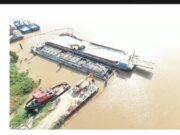


When MV Barima sank on Saturday night, many fishermen were first responders to the scene to rescue survivors.
As the search and recovery efforts continue, many are still desirous of being a part of the team but there are challenges. Fishermen explained how familiar they are with the area based on their years of experience. Many of these fishermen hail from the riverine communities.
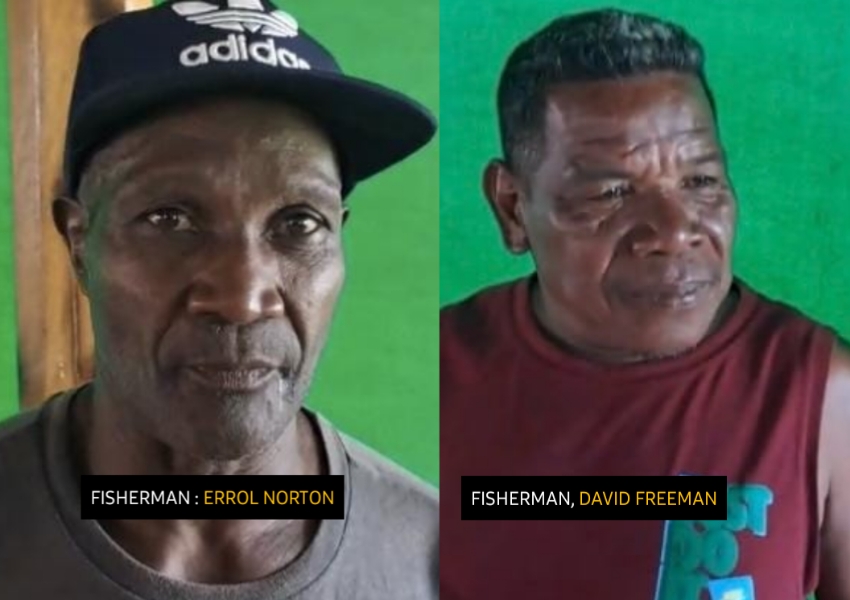
David Freeman, a seasoned fisherman, recounted his response to the sinking vessel at sea. He explained that on Sunday morning around six o’clock, he was contacted by a captain, who informed him of the disaster and urged him to head out to assist. According to Freeman, he responded promptly and was sent out with three boats, sponsored by the captain, to aid in the rescue and recovery efforts.
Throughout that Sunday and into Monday, Freeman and his team faced challenges in obtaining gasoline. The fishermen had to request assistance from the coat guards but were told that it was available in charity. This was deemed a bit difficult due to time. The gas was eventually procured Monday morning.
During the return trip in the late afternoon after searching at sea, Freeman said his team managed to recover a body, which they promptly took to the coast guard. He expressed a deep sense of sadness, emphasizing that his primary goal was to rescue living passengers, not recover dead bodies.
Freeman said that he would accept whatever the authorities decided to give the fishermen, indicating that he abandoned his job to assist. He acknowledged the pain experienced by families who had loved on the boat.
Freeman suggested that more local fishermen and community members with knowledge of the area should be engaged in the search efforts. He emphasized that fishermen possess invaluable familiarity with the waters, which could facilitate quicker and more effective searches. He believes that involving more community-based fishermen would enhance the efficiency of locating bodies and assisting in rescue operations, as they understand the terrain and conditions better than external agencies.
He highlighted the importance of utilizing local expertise to make rescues and recoveries more prompt, arguing that the government should deploy more fishermen to work side by side with official teams.
Errol Norton, another fisherman, recounted his involvement in the search and recovery efforts following the tragedy. He explained that he and others went out to look for victims and managed to recover seven bodies over the course of three days. Norton described their efforts of actively searching the waters, retrieving the deceased, and handing them over to the Coast Guards.
When asked about his motivation, Norton revealed that he had no contact with any family members who might have been on the submerged vessel, which prompted his decision to join the search. He shared that after hearing about the tragedy, he felt compelled to act, recognizing that such misfortunes could happen to anyone.
“Well, I don’t know if anyone of my family went on the boat because I didn’t get no contact with them. So, I decided to go out to search because it could happen to anybody and it could happen to anybody, so I went on the boat.” He told reporters.
Norton recounted going out on a boat himself to participate in the recovery process. He described the condition of the bodies upon retrieval, noting that most of them were found without clothes and without life jackets.
When questioned about potential compensation, Norton acknowledged that he had lost three days of time that could have been spent working due to his involvement in the search. He expressed a desire for some form of compensation.